


International Visitor Spending: A Looming Decline
The travel industry is bracing for a significant challenge, with projections indicating an alarming decline of nearly $11 billion in international visitor spending by 2026. This forecast, released by the US Travel Association following the recent midterm elections, underscores the mounting pressures on the nation’s travel economy. Although domestic travel is thriving, with a projected record of 2.44 billion trips by 2026, international visitor spending—adjusted for inflation—is expected to dip by 6.3%, reaching approximately $163 billion. Such a decline could have ripple effects across a myriad of sectors that rely heavily on these foreign dollars.
Counter to this trend, travel prices are anticipated to increase by 7.2%, far outpacing the projected overall inflation rate of 3.4%. This means that even as the overall number of travelers rises domestically, the experience of international tourists may become significantly more costly, potentially deterring them from booking trips to the US. What's particularly troubling is the data indicating that the US share of global long-haul arrivals has decreased from 10.3% in 2019 to only 7.7% in 2026, potentially falling further to 7.1% by 2030. Such statistics raise red flags regarding the country’s competitiveness in attracting international tourists, which is especially concerning given the substantial contributions these visitors make to the economy.
The Immediate Need for Action
Geoff Freeman, President and CEO of the US Travel Association, emphasizes that the stakes are exceptionally high. He urges Congress to prioritize actions that could bolster international demand before the crucial December funding deadline. Policies to protect holiday travel and recommendations for funding related to air traffic control and Transportation Security Administration (TSA) officers are on the table to mitigate any travel chaos during peak seasons. The proposal strives to ensure that during holiday travel periods, airports can function smoothly without the disruptions that often arise due to funding lapses.
The Ripple Effects of Declining Visitor Spending
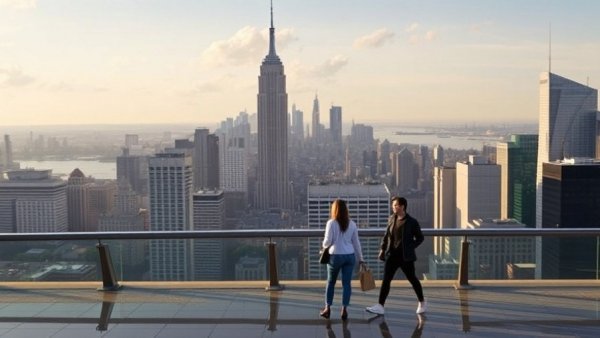
Declining international tourism spending has serious implications for local economies across the United States. The travel industry supports over 15 million American jobs and contributes $92 billion in state and local taxes. This financial backbone, however, could be jeopardized by waning international interest. In bustling tourist hubs like New York City and Miami, the dependence on international visitors is particularly pronounced. In 2025, international visitors were responsible for nearly half of all tourism spending in New York City. This dependence illustrates the substantial financial stakes involved not only for businesses in major metropolitan regions but also for the broader economy.
Challenges Ahead for the Hospitality Industry
The hospitality sector is undoubtedly feeling the weight of these new forecasts, as hotel occupancy rates and revenues are tied intricately to international visitors. The anticipated downturn may lead to decreases in hotel investment and development, affecting hotel pipelines, acquisitions, and openings. With fewer international travelers, hotels may have to turn their focus toward enhancing domestic marketing strategies that appeal to American tourists while also finding innovative ways to keep their loyal guests interested.
Furthermore, sustaining hotel brands and maintaining competitive hotel loyalty programs in this shifting market will require innovative strategies and appealing hotel design trends to attract high-value guests. This might include investing in eco-friendly initiatives, enhancing customer service experiences, or adopting cutting-edge technology to streamline operations and improve guest experiences. After all, in a world that is increasingly interconnected digitally, guests increasingly expect hotels to offer seamless technology solutions.
Looking Towards the Future of Travel
Despite these challenges, there is a silver lining. The goal proposed by travel industry leaders is ambitious yet optimistic: welcoming 100 million international visitors annually by 2030 could translate into an impressive $68 billion boost in visitor spending and the creation of approximately 350,000 jobs. However, achieving this vision demands more than aspiration; it requires concerted action from policymakers and stakeholders in the tourism sector. This includes re-evaluating and potentially streamlining visa processes, improving customer service at entry points, and addressing safety concerns effectively to position the US as a top destination once again.
Addressing Common Misconceptions
A common misconception is that the travel industry's growth trajectory will naturally bounce back post-pandemic. While domestic travel thrives, many fail to recognize that international visitor traffic is a linchpin for comprehensive economic recovery. Understanding the importance of overseas tourists and their contributions to various sectors—particularly hospitality—can help galvanize support for initiatives aimed at reversing declining trends. Strengthening relationships with foreign travel markets can aid in increasing awareness of the US as a safe and welcoming destination.
Your Role as an Affluent Traveler
As an affluent traveler, your choices shape the hospitality landscape. Supporting businesses that prioritize sustainability, luxury experiences, and unique partnerships in the hospitality sector can stimulate resilience within the travel economy. This may involve choosing hotels that implement eco-friendly practices or dining at restaurants that source local ingredients responsibly. By understanding the dynamics of the industry, you can contribute to the collective momentum towards increased international travel and spending.
With a focus on innovative hotel technology, sustainable hotel practices, and memorable travel experiences, now is the time to reach out for professional guidance. Contact us today at www.sitinmyseats.com for more information or to book a free travel consultation! We’re committed to helping you navigate these changing times while enjoying the best that travel has to offer.





Write A Comment