Add Row
Add Element
cropper
update
update
Add Element
  • Home
  • Corporate
October 21.2025
3 Minutes Read

Munich Airport's Summer 2025 Surge: What It Means for Luxury Travel

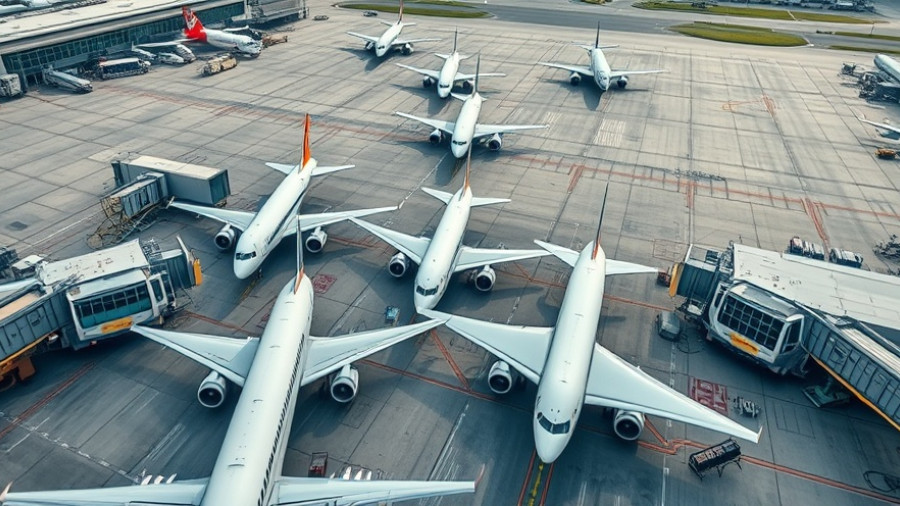
Aerial view of Munich Airport illustrating traffic growth.

Munich Airport Sees Exceptional Growth in Summer 2025

As we move into the post-pandemic travel era, Munich Airport is making headlines with its impressive performance in the summer of 2025. The airport reported a vibrant 5% growth in both passenger numbers and flight movements compared to the previous year, demonstrating a strong recovery in the aviation sector across Europe. This trend reflects Munich's commitment to being a leader in global connectivity, highlighting not only its appeal to travelers but also its robust operational strategies that have successfully met burgeoning demand.

Flight Movements and Passengers: A Closer Look

Between March 31 and October 12, Munich Airport handled 1.4 million more passengers than the previous year, notably outpacing the German average. The 8% increase in intercontinental traffic was largely attributed to the surging demand for flights to the United States, with 2.1 million passengers opting for U.S. destinations. This trend is vital for affluent travelers who seek both leisure and business opportunities globally, especially those targeting luxury travel experiences.

The Expanding Route Network: Opportunities Ahead

What's particularly exciting for investors and stakeholders in the hospitality industry is Munich Airport's expanding route network, which now boasts destinations in over 67 countries. New additions like flights to Hong Kong, Calgary, Orlando, and Windhoek represent tailored opportunities for hotel partnerships and targeted marketing efforts for luxury and boutique hotels. This aligns with current hospitality trends, focusing on unique travel experiences and personalized service for discerning visitors.

Operational Efficiency: Punctuality as a Competitive Edge

In an impressive show of operational prowess, Munich Airport has improved its punctuality rate from 58% to over 75%, now ranking among the top three hub airports in Europe for on-time performance. This achievement is crucial for busy travelers who value reliability in their travel plans. The implementation of state-of-the-art CT scanners at security checkpoints has been a game-changer, reducing wait times significantly and enhancing the overall passenger experience. A staggering 95% of travelers now clear security in under ten minutes, positioning Munich Airport as a leader in customer satisfaction.

The Cargo Boom: What It Means for Hotels and Hospitality

Not just passengers, but cargo traffic has also surged, with air freight increasing by 10% this year to a record 182,000 tons, surpassing pre-pandemic levels. This booming cargo movement can influence hotel development strategies in the area, as increased logistics activities create demands for short stay accommodations and services tailored for business travelers, encouraging hotel investments and partnerships targeting this growing demographic.

Connecting Travelers with Local Experiences

For affluent travelers, the experience at Munich Airport extends beyond a mere transit point; it is the gateway to cultural exchanges and local experiences. The current trajectory of growth reflects not just numbers but a rich opportunity for hotels nearby to develop unique loyalty programs that resonate with both international tourists and local travelers. Experiential offerings that draw from Munich’s culture—like Bavarian cuisine or seasonal events—can enhance the overall travel experience and foster long-lasting consumer relationships.

Future Predictions: What Lies Ahead?

Looking forward, the hospitality industry can expect this growth trajectory to continue. With the ongoing expansion of Munich Airport’s international route network and optimization of passenger services, the term 'premium hub' will take on new meanings. Hoteliers are encouraged to align their strategies with these developments, exploring hotel acquisitions and renovations that cater to the evolving traveler profile.

In conclusion, the successful performance of Munich Airport this summer is more than just a report; it is a call to action for stakeholders in the hospitality industry. The interconnectivity and growth provide fertile ground for hotel development and strategic investments that align with travel trends. Contact us today at www.sitinmyseats.com for more information or to book a free travel consultation!

Travel News & Trends

Write A Comment

*
*
Related Posts All Posts
12.06.2025

Why Prague is the MICE Destination You Didn't Know You Needed

Update Discovering Prague's Creative Identity: A New Era for MICE Events The rich tapestry of Prague’s history and culture is now being highlighted in a dazzling new campaign video released by the Prague Convention Bureau (PCB). This effort stands not just to showcase the city but aims to position Prague firmly on the map as a leading MICE (Meetings, Incentives, Conferences, and Exhibitions) destination in Europe. Drawing on its legacy as a crossroads of ideas and creativity, the city is embracing its recently minted identity—the "centre of real bohemians"—to attract global professionals looking for inspiration. As the MICE sector rebounds from pandemic setbacks, this new campaign promotes Prague not only as a beautiful tourist destination but as a hub where creativity and modern event infrastructure coalesce. The vibrant video reflects the city’s dual identity: a historical backdrop intertwined with contemporary capability, ensuring that planners from around the world see Prague as a premier choice for their events. Bridging the Past and Present in MICE This “unconventional conventions” platform is more than mere marketing; it speaks to a deep-rooted cultural identity that has historically allowed Prague to flourish as a center for intellectual and artistic movements. With venues that range from historical palaces to futuristic conference centers, the variety available to MICE organizers is exceptional. With over 45,000 hotel rooms and facilities accommodating up to 18,000 delegates, the infrastructure here is as impressive as the city's storied past. According to industry analysts, the global MICE industry is expected to reach approximately USD 1.3 trillion by 2030, highlighting the importance of cities like Prague aligning their facilities with modern demands. Between hybrid events, government support, and sustainable practices creeping into venue offerings, planners are keenly searching for cost-effective solutions—a niche Prague is well positioned to fill. The Modern MICE Experience Enhanced international connectivity plays a crucial role in cementing Prague’s reputation. The city’s Václav Havel Airport offers flights to over 165 destinations worldwide, making it easy for international attendees to converge in one of Europe’s greenest capitals. A seamless transport system complements the city, ensuring quick access to hotels, venues, and cultural attractions. This accessibility addresses a major concern for modern MICE planners who prioritize efficiency. Furthermore, Prague’s commitment to sustainable practices cannot be overstated. The city continues to rank high among the greenest European capitals, appealing to environmentally conscious organizations looking for venues with eco-friendly certifications. This shift towards sustainability in the hospitality and MICE sectors reflects a burgeoning trend where event organizers seek low-carbon footprints. Succeeding in a Competitive Landscape To further understand Prague's emerging status as a MICE powerhouse, it’s essential to highlight its hotel offerings, ranging from luxury hotels to eclectic boutique stays. For instance, the renovated Almanac X Alcron blends historic elegance with modern amenities, providing an inviting space for discerning delegates. Its meeting rooms and a renowned Michelin-starred restaurant make it a compelling venue choice. Recent reports indicate that the city boasts a diverse array of hotel choices with a robust pipeline of new openings which will likely invigorate the sector. The Fairmont Golden Prague and W Prague both signal a positive trend towards luxury options for MICE attendees seeking exquisite venues for their events. Prague’s Unique Cultural Offers Beyond just hosting events, Prague is redefining how these gatherings can connect delegate interactions. Unique experiences, such as the Pilsner Urquell Brewery tour that immerses groups in local culture, alongside rooftop garden venues like Výstaviště Praha, blend entertainment and networking seamlessly. Such offerings are transformative, making business trips memorable through a taste of local culture. Organizers are finding that such engagements do not just fulfill professional obligations but also manifest into opportunities for team bonding and cultural exchange, freshening up the traditional conference model. The Future Awaits in Prague As we look to the future of MICE events, Prague is undoubtedly set to play a pivotal role in shaping industry trends. Its ability to intertwine unique cultural heritage with modern hospitality trends provides planners with a plethora of options to create inspiring event experiences. The Prague Convention Bureau’s campaign is a clarion call for MICE professionals worldwide that this enchanting city is not just a place to meet, but a place to innovate, collaborate, and rethink conventions. For those eager to rethink their MICE engagements, Prague presents an opportunity replete with potential for meaningful connections and fruitful outcomes. Contact us today at www.sitinmyseats.com for more information or to book a free travel consultation!

12.06.2025

Discover How Embraer’s AI-Powered Smart Planning Solution Transforms Aviation

Update Embraer’s Smart Planning: The Future of Aviation Efficiency Embraer, a prominent player in the aviation sector, has launched a groundbreaking AI-powered solution known as Smart Planning. Developed with the expertise of Aquarela Analytics, this innovative tool aims to redefine inventory management, streamline supply chain processes, and enhance operational efficiency in manufacturing aircraft and related services. A Strategic Leap Into AI Smart Planning is not merely a software update; it embodies Embraer's commitment to digital transformation. By leveraging over two terabytes of operational data, the platform enhances data integration and facilitates smarter decision-making in production processes. Dimas Tomelin, the Vice President of Strategy, Digital and Innovation at Embraer, elaborated on the significance of the new AI solution, describing it as an "interactive control panel" that directly supports inventory management and responsiveness to material availability. This predictive capability plays a crucial role in addressing potential risks related to material shortages or excesses, ensuring that production remains agile and efficient. A Collaborative Approach to Innovation The development of Smart Planning emerged from a ten-month collaboration between Embraer and Aquarela Analytics, which focuses on applying artificial intelligence and data analytics. By combining Embraer's Agile methodologies with Aquarela’s Data Culture Methodology, the partnership navigated a structured approach to develop AI models that provide visual insights through interactive dashboards. This integration is expected to elevate Embraer's manufacturing capabilities and align with future innovations in the aerospace industry. Industry Implications and Benefits As the aviation sector recovers from the impacts of the pandemic, Smart Planning provides Embraer with a competitive edge. By optimizing inventory planning and enhancing visibility across procurement processes, the company can mitigate operational costs and bolster relationships with suppliers. This foresight is particularly timely as supply chain challenges persist globally, pushing companies to seek more resilient and efficient systems. Future industry trends indicate a growing reliance on data-driven decisions and increased investments in AI technologies, standards that Embraer's initiative may set. Challenges and Opportunities Ahead Despite the promising outlook, the implementation of Smart Planning is not without its challenges. Integrating the new AI system into existing infrastructures requires meticulous planning and execution, especially in a sector as regulated and complex as aviation. Moreover, as competitors observe Embraer's advancements, there may be a surge of similar investments in AI capabilities across the industry. This could usher in a new era of innovation, further driving competition in aircraft production and manufacturing. What This Means for Travelers and the Aviation Sector For affluent travelers, the ripple effects of Smart Planning will indirectly influence their flying experiences. As operational efficiencies improve, travelers can expect more reliable services, reduced costs, and ultimately, enhanced travel journeys. Airlines leveraging Embraer’s innovative solutions may offer streamlined operations, resulting in fewer delays and improved service quality. As the aviation sector continues to evolve, tools like Smart Planning pave the path for a more efficient, sustainable future. Conclusion: An Invitation to Explore AI Innovations Embraer's Smart Planning is more than just a technological advancement; it represents a pivotal shift towards intelligent manufacturing in aerospace. As the industry adopts AI-driven solutions, the implications for operational efficiency and passenger experience are vast. Interested in discovering how these technologies can affect luxury travel? Contact us today at www.sitinmyseats.com for more information or to book a free travel consultation!

12.05.2025

Uncover the Six Transformative Forces Reshaping Global Travel in 2026

Update Understanding the Forces Shaping Tomorrow's Travel As we look ahead to 2026, the travel industry is on the brink of transformation, shaped by evolving consumer preferences, technological advancements, and a shifting cultural landscape. The Amadeus Travel Trends 2026 report identifies six key forces that are not only reshaping how we travel but also redefining the entire travel experience. For affluent travelers, understanding these forces means not just anticipating the future but also preparing to embrace a more personalized and enriching journey. The Pawprint Economy: A New Frontier in Travel One of the standout trends is the rise of the Pawprint Economy, where pet-friendly travel is becoming mainstream. With the global pet industry projected to reach a staggering $500 billion by 2030, travel options that include our furry companions are expanding. Initiatives like pet-friendly services on railways and hotels launching canine clubs demonstrate a commitment to enhancing travel experiences for pet owners. This trend underscores a significant shift in how hospitality industries cater to evolving family dynamics by accommodating pets as valued members. Travel Mixology: Personalized Journeys The concept of Travel Mixology reflects a growing trend among affluent travelers who now desire intricate, bespoke travel plans. By utilizing various digital tools and AI insights, travelers can curate their experiences according to their unique preferences. This hybrid approach not only enhances traveler agency but also reflects a larger demand for personalization in the industry. For instance, Google Flight Deals now suggests destinations that align with travelers' moods, and platforms like Expedia turn social media inspiration into actionable travel itineraries, showcasing a blending of technology and creativity in trip planning. Innovative Aircraft: Making Travel Seamless Aircraft advancements mark another crucial force transforming travel logistics. The rise of long-range narrow-body jets offers extensive reach to previously inaccessible destinations. With airlines like IndiGo launching new non-stop routes and Qantas introducing faster connections between major cities, travelers can expect a rearrangement of traditional travel boundaries. This not only optimizes time spent traveling but invites a new audience to explore emerging destinations around the globe. Pop Culting: The Rise of Cultural Travel Pop Culting highlights the intersection of popular culture and travel. Increasingly, destinations are pivoting their marketing strategies to leverage cultural phenomena; from K-Pop inspired tours in Seoul to themed events inspired by blockbuster series. This affinity for culture-driven experiences is redefining how affluent travelers choose their destinations, as they seek not just a place to visit but an immersive narrative that resonates personally. Pick ‘n’ Stays: Customizing Accommodation The emergence of Pick ‘n’ Stays signifies a shift towards highly customizable accommodation options. Travelers no longer settle for cookie-cutter hotel experiences. With boutique hotels offering unique themes and personalized services, the hospitality industry is responding to demand for individual preference. Characteristics such as room design, local partnerships, and curated experiences are becoming standard, ensuring that each stay is tailored to the guest’s unique lifestyle and preferences, ultimately enhancing guest loyalty. Innovation Tourism: The Future of Exploration Last but not least is the concept of innovation tourism, which encompasses experiences that encourage dynamic cultural exchanges and exploration of future technologies. Luxury travelers now seek opportunities that generate not only enjoyment but also social impact, pushing hotels and resorts to adopt sustainable practices and local engagement. This trend aligns closely with the growing expectation that luxury does not come at the cost of responsibility, emphasizing ethical travel. Looking Ahead: The New Landscape of Travel These six transformative forces signify a watershed moment for the travel industry. As we embrace 2026, luxury travelers are poised to experience a revolution characterized by personalization, sustainability, and cultural depth. The integration of technology will assist in creating more immersive travel experiences, reflecting the desires and values of a new generation of travelers. To stay ahead in this competitive landscape, it's crucial for hotels and destinations to recognize and adapt to these trends. Whether it involves investing in AI solutions, cultivating pet-friendly environments, or embracing cultural narratives, understanding where travel is heading will enable businesses to create authentic, memorable experiences. Join the Revolution of Travel As these trends evolve, don’t be left behind. Contact us today at www.sitinmyseats.com for more information or to book a free travel consultation! Unlock your potential for extraordinary journeys ahead.

Terms of Service

Privacy Policy

Core Modal Title

Sorry, no results found

You Might Find These Articles Interesting

T
Please Check Your Email
We Will Be Following Up Shortly
*
*
*