Add Row
Add Element
cropper
update
update
Add Element
  • Home
  • Corporate
June 11.2025
3 Minutes Read

Revitalizing African Air Transport: Opportunities for Affluent Travelers

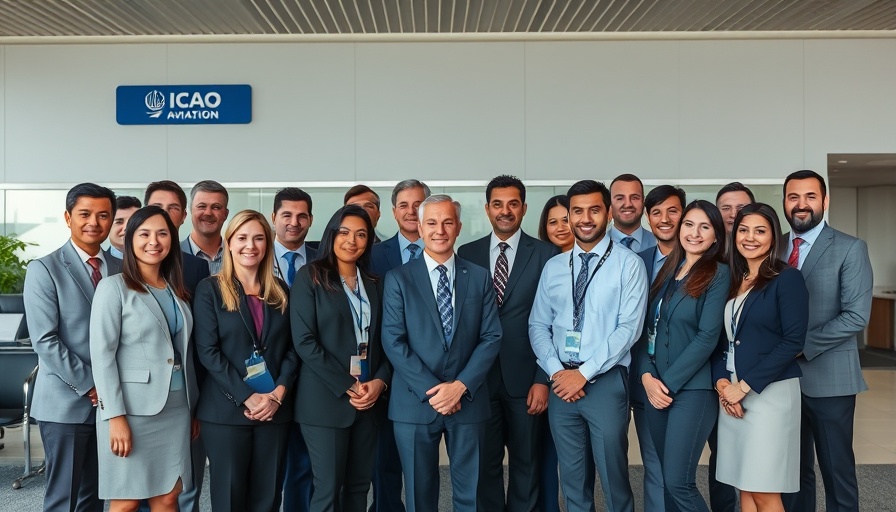
Diverse group at African air transport conference, ICAO aviation labeling.

Elevating African Air Transport: A Vision for the Future

The recent 10th ICAO AFI Aviation Week, held from May 26 to 30, 2025, in Victoria Falls, Zimbabwe, marks a significant milestone for African air transport. This year’s event attracted high-profile dignitaries, including government officials and aviation leaders from across the African continent, all gathering to strengthen aviation safety, security, and sustainability in the AFI region. With an emphasis on collaboration and alignment, leaders reaffirmed their commitment to building a robust aviation ecosystem that supports economic growth and connectivity.

A Platform for Strategic Progress

Vice President Mohadi of Zimbabwe opened the conference with a call to action for governments to prioritize air transport facilitation. His remarks highlighted the need for cooperative efforts to enhance aviation efficiency across nations. The African air transport sector is pivotal in connecting different regions and promoting tourism, which remains a key driver for economic development.

Pioneering Sustainable Solutions in Hospitality

As the aviation industry gears up for recovery, there’s a recognized interdependence with the hospitality sector, particularly luxury hotels and boutique accommodations. Trends show a compelling pipeline of hotel developments in Africa, with brands seeking to cater to affluent travelers. This is not just about opening new hotels but about implementing sustainable practices, enhancing guest experience through technology, and maintaining high occupancy rates.

The Role of Global Partnerships

The importance of alliances, as emphasized by ICAO officials, reflects a broader trend in the hospitality arena where hotel brands are forging partnerships for mutual growth. Strong alliances between hotels and airlines can enhance loyalty programs that reward travelers for their patronage, ultimately creating a seamless travel experience from the skies to luxurious accommodations.

Understanding Hospitality Trends and Their Impact

While aviation advances, the hospitality industry is continually evolving through strategic investments and renovations focusing on design trends and sustainable hotels. Hospitality trends indicate that travelers are increasingly seeking eco-friendly options, luxury experiences, and personalized services. These changes are essential as hotels enhance their market positioning amidst a post-pandemic recovery.

Future Insights: The Need for Innovation

Looking ahead, the convergence of technology in both aviation and hospitality will play a crucial role. The growth of hotel technology, including mobile check-ins and smart room systems, aligns with changing consumer preferences. With travelers becoming ‘tech-savvy’, hotels that adopt innovative solutions will likely thrive.

Encouragement for Travelers

For affluent travelers considering exploring the riches of Africa, it's an exciting time to engage with the evolving landscape of air transport and hospitality. As the industry adapts, travelers can look forward to not just a journey, but an enriched cultural experience. Embracing this dynamic presents opportunities for unique adventures filled with luxury and sustainability.

Join the Movement Towards a New Era in Travel

As the African aviation landscape transforms, there's no better time to plan your next travel experience. Whether you're after the latest in hotel openings or seeking to understand new hospitality trends, the future of travel is vibrant and full of promise. Contact us today at www.sitinmyseats.com for more information or to book a free travel consultation!

Travel News & Trends

0 Comments

Write A Comment

*
*
Please complete the captcha to submit your comment.
Related Posts All Posts
03.13.2026

Discover the Most Powerful Cities in the World: Insights from the 2026 GPCI

Update The Cities That Shape Our WorldThe most powerful cities globally are not solely defined by their size or wealth; rather, they reflect a multifaceted approach toward influence and attraction across various domains, including economic vitality, cultural depth, innovation, and environmental responsibility. According to the annual Global Power City Index (GPCI), published by Japan's Mori Memorial Foundation, these urban centers are ranked based on an extensive evaluation of 72 indicators grouped under six fundamental functions: Economy, Research & Development, Cultural Interaction, Livability, Environment, and Accessibility.How Power is MeasuredThe GPCI meticulously assesses characteristics that contribute to a city's 'magnetism' — its ability to draw in people, finance, and enterprises worldwide. The following aspects are evaluated:Economy: Measures such as GDP performance, stock market metrics, and workforce diversity.Research & Development: Evaluations include researcher counts, patent registrations, and university rankings.Cultural Interaction: Includes factors like foreign tourism, nightlife availability, and the richness of local cuisine.Livability: Focuses on quality of life indicators such as safety, healthcare access, and overall cost of living.Environment: Assesses sustainability efforts, CO2 emissions, and urban biodiversity.Accessibility: Looks at transport infrastructure, especially air travel connectivity and commuting ease.The 2026 Rankings UnveiledThe 2026 GPCI reveals intriguing shifts, particularly with East Asian cities swiftly gaining ground against their Western counterparts. London remains unchallenged at the top for the 14th consecutive year, retaining its lead due to exceptional rankings in Cultural Interaction and Accessibility. However, its score has seen a marginal decline compared to previous years.Second place is now held by Tokyo, which has successfully surpassed New York for the first time in history. The Japanese capital showcases remarkable improvements in livability and cultural interaction metrics, bolstered by its performance in environmental stewardship and innovative urban development.The full list of the 18 most powerful cities highlights significant trends:London, United Kingdom - Strengths in Cultural Interaction and Accessibility.Tokyo, Japan - Rising livability and culture, backed by a strong economy.New York City, USA - Still a powerhouse but struggling with rising living costs.Paris, France - A vibrant cultural hub that continues to hold its ground.Singapore - Excelling in economic stability and safe living conditions.Seoul, South Korea - Gaining momentum thanks to technological advancements.Amsterdam, Netherlands - Balanced performance across all categories.Shanghai, China - Stepping up as a significant global player.Dubai, UAE - Continues to attract tourists and businesses alike.Berlin, Germany - A multicultural environment with rich historical context.Understanding the ImplicationsThe GPCI not only reflects individual city performance but also signals a shift in global urban trends. As cities like Tokyo and Shanghai rise in prominence, they represent a broader economic and cultural power re-distribution that challenges traditional Western dominance. What does this trend mean for affluent travelers?For discerning tourists seeking unique experiences, the growing allure of cities in Asia and the Middle East presents an opportunity to explore vibrant cultures, cutting-edge innovations, and robust economic landscapes. As emerging destinations gain recognition, luxury travel trends will evolve, emphasizing authenticity, sustainability, and cultural immersion.What Lies Ahead?As we look forward, understanding the trends dictated by GPCI rankings will become increasingly vital for luxury travelers. Cities that dominate the index not only possess the economic might but also lead the way in technological innovations such as smart city developments and eco-sustainability projects. The continuing shifts in rankings suggest intelligent preparation is essential when planning travels to the most influential urban environments.Contact Us for Travel InsightsFor personalized luxury travel insights and additional information to enhance your next trip, don't hesitate to reach out. Our expertise in the evolving landscape of global travel can help you navigate the complexities of your journey.

03.11.2026

Exploring the Exquisite World of the Most Expensive Mushrooms

Update Exploring the Exquisite World of the Most Expensive Mushrooms In the culinary realm, few ingredients evoke the same level of intrigue and luxury as mushrooms — especially the most expensive varieties that offer both rarity and a unique flavor experience. As we dive into the fascinating world of gourmet fungi, we unveil the secrets behind these prized mushrooms, their markets, and how to savor them at the world’s top restaurants. Why Some Mushrooms Command Premium Prices The allure of expensive mushrooms lies not only in their distinctive flavors but also in their low availability. Most of the world’s luxury mushrooms, such as truffles and Matsutake, grow in the wild and under specific conditions that make cultivation nearly impossible. Foraging for these high-demand ingredients often involves forays into remote forests and rigorous searching, driving their prices up significantly in the market. The Most Coveted Fungi Among the crown jewels of the mycological world, the Yartsa Gunbu (or caterpillar fungus) reigns supreme at prices soaring up to $138,000 per kg. This rare Himalayan mushroom develops from the mummified remains of caterpillars and is prized for its aphrodisiac properties and medicinal attributes in Traditional Chinese Medicine. Next up are European White Truffles, retailing between $8,800 and $11,000 per kg. Found nestled under oak trees in regions like Alba and Tuscany, these truffles are harvested through a marriage of tradition and canine expertise, their short shelf-life adding to their exclusivity. The Japanese Matsutake, priced from $2,200 to $8,800 per kg, exemplifies cultural significance entwined with culinary luxury. Known for its spiced aroma, Matsutake is sought after particularly during the autumn in Japan, celebrated in traditional dishes like Matsutake Gohan. Global Culinary Experiences: Where to Indulge For those eager to savor these extraordinary mushrooms, dining at Michelin-starred restaurants across the globe is essential. In Paris, establishments like Le Meurice offer truffle-topped dishes that epitomize French cuisine's opulence. Meanwhile, Tokyo’s Narisawa specializes in premium Matsutake preparations, ensuring an unforgettable dining experience. Furthermore, the Chanterelle, with its chic and vibrant appearance, is a summer gem found across North America and Europe, often hailed for its delicate flavor reminiscent of apricots and pepper. Locating these mushrooms can require keen observational skills but yields a culinary delight often found on high-end menus. Rare Varieties: Surprising Insights and Alternatives It’s not merely the mushrooms that create a unique dining experience, but also the stories behind them. Consider the Morel, a springtime favorite praised for its earthy, nutty taste. The quest for morels involves a community of dedicated foragers safeguarding their secret spots. Striking a balance between sustainability and luxury, restaurants are increasingly featuring local harvests in their exquisite offerings. Yet for those unable to splurge, alternatives are available. Near look-alikes of rare truffles can be found that mimic the flavor profile without the affair of expense. Likewise, less expensive varieties like Oyster and Shiitake mushrooms are accessible at many grocery stores and retain a robust flavor that elevates ordinary meals. Understanding the Economic Impact of Exotic Mushrooms The rising interest in gourmet fungi has significant economic implications. Global demand influences local economies, specifically in regions where these varieties are harvested. As gourmet dining trends evolve, aspiring chefs and restaurateurs are adapting their menus to spotlight unusual finds, further cementing mushrooms as cultural staples across cuisines. In addition, sustainable harvesting practices are essential to ensuring that these valuable resources remain available. Educational programs about foraging and mushroom cultivation bolster ecological awareness, promoting environmental stewardship while enabling businesses to thrive. Final Thoughts: A Culinary Traveler's Guide   In conclusion, the culinary world of mushrooms blends skillful harvesting, cultural significance, and gastronomic delight. Whether it's locating the elusive Yartsa Gunbu or indulging in European White Truffles, the journey into this opulent subculture offers both adventure and exquisite tastes. Travelers aiming to expand their palates will find that the rarest mushrooms not only tantalize the taste buds but also craft memorable culinary experiences that transcend borders. For more information about exclusive gourmet dining experiences featuring these extraordinary mushrooms, contact us at (954) 456-0419.

03.09.2026

Fabergé Eggs: Unveiling the Luxurious Legacy Worth Millions

Update From Luxurious Tradition to Record-Setting Sales: The Legacy of Fabergé Eggs Fabergé eggs are not merely extravagant artifacts; they represent a blend of artistry, history, and immense value that captivates collectors and tourists alike. Each egg is a unique marvel, meticulously handcrafted to include intricate decorative elements and hidden surprises, appealing especially to affluent travelers who appreciate the intersection of culture and luxury. Historical Context and Background The Fabergé eggs originated as Easter gifts for the Russian imperial family, commissioned by Tsar Alexander III and later by his son Nicholas II. The first egg, the Hen Egg, set the precedent for an annual tradition steeped in both personal significance and national pride. With only 50 eggs crafted between 1885 and 1917, their rarity has only enhanced their allure, making them coveted pieces in the art world. In recent years, the auction market has sent ripples through the global luxury scene, marked by record-breaking sales that reflect the continuing desirability of these exquisite items. Recently, the Fabergé Winter Egg sold for an astonishing $30.2 million, underscoring a vibrant market for luxury collectibles that affluent travelers often seek out when exploring art scenes across Europe. The Allure of the Fabergé Winter Egg: A Breathtaking Auction Record The recently auctioned Winter Egg, designed by female jeweler Alma Pihl, not only broke auction records but also inspired appreciation for innovative artistry in jewelry. Constructed to resemble melting ice and embellished with a dazzling array of diamonds, its sale reflects the trends in luxury travel, where cultural experiences and high-value artifacts become focal points for discerning tourists. As many of these eggs reside in museums or undisclosed private collections, opportunities for the general public to see them are rare. In a post-pandemic world, more travelers are looking to visit exhibitions and auctions, turning events surrounding Fabergé eggs into must-see experiences, driving what can be termed a cultural tourism renaissance. The Global Luxury Market and Fabergé’s Unique Position The allure of the Fabergé egg is further enhanced by its implications in the broader luxury market. As global demographics shift, more affluent individuals invest in objects of art, leading to luxury travel trends that align with cultural explorations. This shift necessitates a deeper understanding of what attracts collectors and tourists to specific destinations that showcase such heritage. Moreover, the existing value of Fabergé eggs is steeply relative to their provenance. The recent auction signifies not only a historical record but also gauge luxury’s evolution, compelling travelers to seek experiential journeys that offer insights into this prestigious art form. Experiential Travel Trends: The Journey Behind Collectibles For affluent travelers, understanding the intricacies of Fabergé eggs can be as enriching as the acquisition itself. Exploring destinations like St. Petersburg or London offers direct engagement with these rich narratives. Experiential travel amplifies these stories, encouraging travelers to connect not just with the objects but with the history and culture that shaped them. To those planning their next cultural getaway, integrating visits to Fabergé exhibitions can enhance their itinerary, transforming mere observation into a profound experience that ties history to contemporary significance. Future Predictions and Insights on Luxury Collectibles The future looks promising for luxury collectibles, particularly as new generations of investors emerge with a penchant for both art and experiential travel. Trends indicate a growing interest in eco-friendly and sustainable practices within the luxury sector, prompting collectors and merchants alike to consider how these values can influence the acquisition and display of historical artifacts, including Fabergé eggs. This intersection of sustainability and luxury could shape future auction markets, with emerging eco-friendly luxury trends helping to gain interest among a younger audience already inclined toward impactful art collection. Looking Ahead: The Role of Exclusiveness in Travel As record-setting sales for items like Fabergé eggs continue, their exclusive nature draws wealthy tourists not just to auctions but also to specific destinations that host high-profile exhibitions. Affluent travelers can curate their experiences to savor not only the destinations but the stories and treasured artifacts housed within them. The blending of art, travel, and culture fosters a niche market where the experience of seeing history firsthand becomes a story worth sharing. These travelers are increasingly searching for unique narratives, helping to propel luxury travel trends grounded in cultural engagement. Take Action on Your Luxury Travel Plans If you’re captivated by luxury artifacts and consider yourself a global traveler seeking extraordinary experiences, don't miss your chance to immerse yourself in the world of Fabergé eggs. As auctions and exhibitions continue to flourish, the time to explore these treasures is now. Contact us at (954) 456-0419 for more information on upcoming exhibitions and auctions that you should attend!

Terms of Service

Privacy Policy

Core Modal Title

Sorry, no results found

You Might Find These Articles Interesting

T
Please Check Your Email
We Will Be Following Up Shortly
*
*
*